DMT, DMT in Canada
DMT in Canada
Nov
DMT in Canada: What It Is, How It Works, Effects, Risks and Legal Status
Psychedelic substances have become an increasingly popular topic of discussion in Canada. From scientific studies to conversations about mental health, people are showing greater interest in understanding how these substances affect the brain and human perception.
One substance attracting attention is DMT, short for N,N-dimethyltryptamine.
DMT is a powerful psychedelic compound known for producing significant changes in perception, awareness, and sensory experiences. Although it has been studied for decades, researchers are still exploring its neurological effects and potential medical applications.Canada Mushrooms
For Canadians interested in psychedelic research, understanding DMT involves more than learning about its effects. It also means considering the possible health risks, current scientific evidence, and Canadian legal restrictions.
This guide explains what DMT is, how it works, how it differs from other psychedelics, and what people should know about DMT in Canada.
What Is DMT?
DMT, or N,N-dimethyltryptamine, is a naturally occurring psychedelic compound belonging to the tryptamine family.
It is found in certain plants and has also been detected in some animals, including humans, although its biological role remains uncertain.
DMT is chemically related to serotonin, a neurotransmitter involved in mood, sleep, and several other functions.
Unlike conventional medications, DMT can produce intense changes in consciousness and perception.
Scientists classify it as a classic psychedelic because it acts primarily through serotonin-related pathways in the brain.Canada Mushrooms
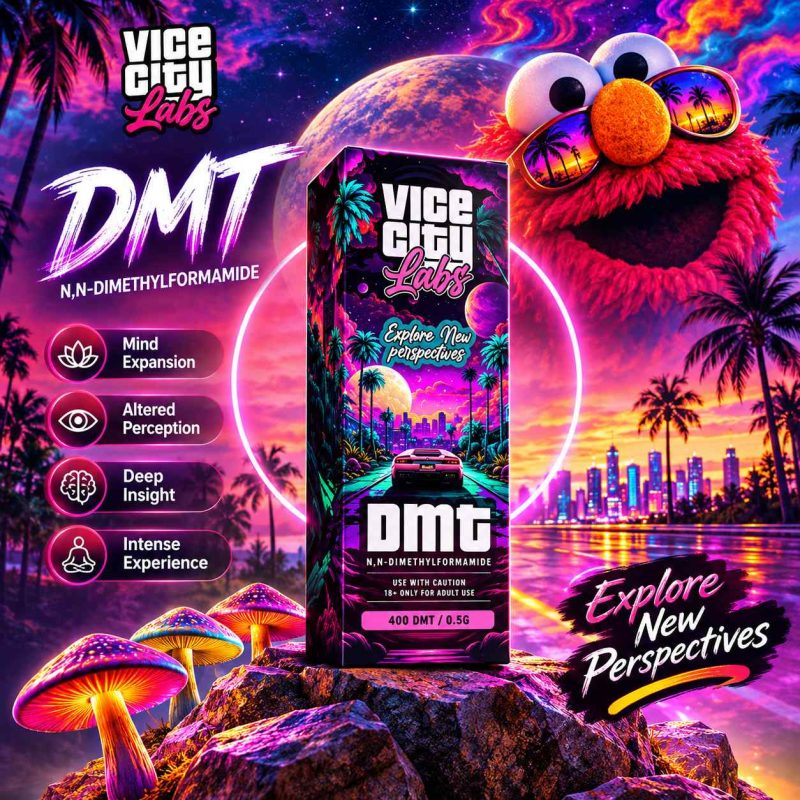
1ml DMT Vape 800mg (Cartridge) Vice City Labs
How Does DMT Affect the Brain?
DMT interacts with serotonin receptors, particularly the 5-HT2A receptor, which is associated with many of the effects produced by classic psychedelic substances.
These interactions can temporarily alter how the brain processes sensory information, emotions, and perceptions.
People exposed to DMT may experience changes in visual perception, time awareness, and their sense of self.
Researchers continue to investigate how these changes relate to brain activity and communication between different neurological networks.
However, much remains unknown about the long-term effects of DMT, particularly in people with existing mental health conditions.Canada Mushrooms
What Are the Effects of DMT?
The effects of DMT can vary significantly between individuals.
Factors such as mental health, the surrounding environment, other substances, and individual sensitivity may influence the experience.
Changes in Visual Perception
DMT can produce intense visual distortions, including patterns, colours, and imagery that may feel unusually vivid.
Altered Sense of Time
Some individuals report that their perception of time changes dramatically.
Emotional Changes
Experiences may involve strong emotions, ranging from positive feelings to fear, confusion, or distress.
Changes in Self-Awareness
DMT may temporarily alter a person’s sense of identity or connection to their surroundings.
These effects can be unpredictable and are not always pleasant or manageable.
What Are the Risks and Side Effects of DMT?
Although DMT is being studied scientifically, it is not risk-free.Canada Mushrooms
Potential adverse effects include:
- Increased heart rate and blood pressure
- Anxiety and panic
- Confusion and disorientation
- Nausea or vomiting
- Impaired judgment
- Psychological distress
- Potential worsening of certain psychiatric conditions
People with cardiovascular conditions or a history of psychosis may face particular concerns.
Combining DMT with certain medications or other psychoactive substances can also create additional risks.
For example, interactions with medications that affect serotonin signalling may be dangerous.
Medical advice is essential when evaluating substance-related health concerns.
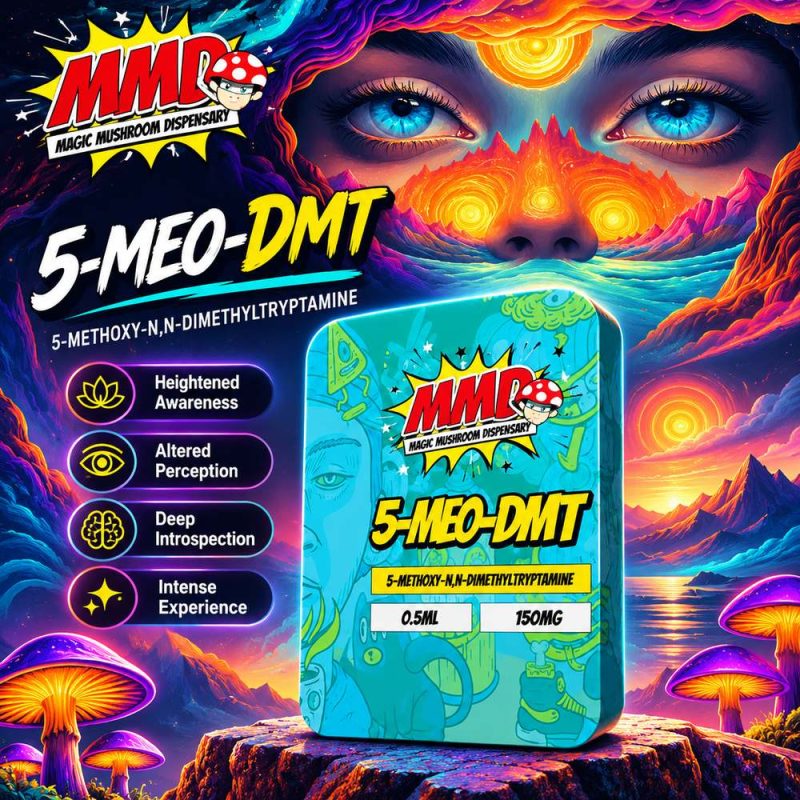
5-Meo-DMT(Cartridge) .5mL | MMD Cosmo
DMT vs. Psilocybin: What Is the Difference?
DMT and psilocybin are both classic psychedelics, but they are not identical.
Psilocybin is found in certain mushroom species and is converted into psilocin in the body.
DMT is a separate chemical compound with different pharmacological and metabolic characteristics.
Neither substance should be considered an approved general treatment for mental health conditions.
Is DMT Being Studied for Mental Health Treatment?
Scientific interest in psychedelics has increased in recent years.Canada Mushrooms
Researchers are examining whether certain psychedelic compounds might eventually contribute to treatments for depression, anxiety, and other mental health conditions.
DMT is among the substances being investigated.
However, early research findings should not be confused with established medical effectiveness.
Large, carefully controlled clinical trials are needed to determine whether DMT-based treatments are effective and safe for particular conditions.
At present, DMT is not an approved routine treatment for depression or anxiety in Canada.
Is DMT Legal in Canada?
DMT is classified as a Schedule III controlled substance under Canada’s Controlled Drugs and Substances Act.
Unauthorized possession, production, trafficking, importation, and distribution are prohibited, subject to applicable legal exemptions and authorizations.
Certain scientific and medical activities may be permitted through specific regulatory pathways.
However, research authorization does not mean DMT is generally legal for recreational use or unrestricted commercial sale.Canada Mushrooms
Canadians should consult official Government of Canada resources for current legal information.
DMT and Psychedelic Awareness in Canada
Public discussion about psychedelics is growing across Canada, but it is important to distinguish scientific research from commercial claims.
Not every website discussing psychedelic substances provides medically verified information.
Readers exploring Canada Mushrooms can use this article as an introduction to DMT’s effects, risks, and Canadian legal considerations.
The presence of psychedelic-related information or product listings on a website does not establish that the website is authorized to distribute controlled substances.
For reliable medical and legal guidance, consult Health Canada, licensed healthcare professionals, and established scientific publications.
Can DMT Cause Long-Term Health Problems?
Researchers are still studying the possible long-term effects of DMT.
Although some studies have examined short-term physiological and psychological responses, evidence about repeated exposure and long-term outcomes remains limited.
Potential concerns include persistent psychological distress and the worsening of underlying psychiatric symptoms.
Rare persistent perceptual disturbances have also been reported following exposure to psychedelic substances.
More research is needed to understand how frequently these outcomes occur and which individuals may be most vulnerable.
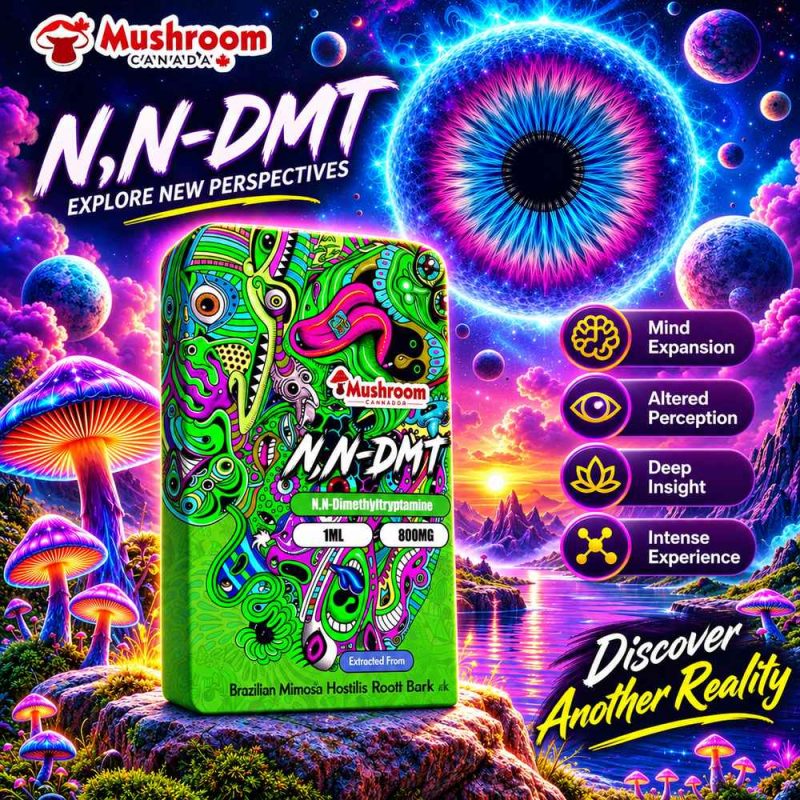
DMT 1ml 800mg DMT Vape – Mushrooms Canada
What Should Someone Do During a DMT-Related Emergency?
If someone experiences severe confusion, chest pain, seizures, breathing difficulties, or loss of consciousness after suspected DMT exposure, seek emergency medical help.
Keep the person away from immediate hazards if it is safe to do so, and follow the instructions provided by emergency responders.
Do not assume that severe symptoms will resolve without medical attention.
Frequently Asked Questions About DMT
What does DMT stand for?
DMT stands for N,N-dimethyltryptamine, a naturally occurring psychedelic compound.
Is DMT a psychedelic drug?
Yes. DMT is classified as a classic psychedelic because of its effects on serotonin receptors and perception.
Is DMT found naturally?
DMT has been identified in certain plants and animals. Its natural occurrence does not establish that it is safe for human consumption.
Is DMT the same as magic mushrooms?
No. DMT and psilocybin are different compounds, although both belong to the tryptamine family and have psychedelic effects.Canada Mushrooms
Can DMT treat depression?
DMT is being investigated for potential therapeutic applications, but it is not an approved routine treatment for depression in Canada.
Is DMT legal in Canada?
DMT is a controlled substance under Canadian federal law. Unauthorized activities involving DMT are prohibited, subject to applicable exceptions.
Can DMT cause anxiety or panic?
Yes. DMT may cause intense anxiety, panic, confusion, or other distressing psychological effects.
Where can Canadians find reliable DMT information?
Health Canada, scientific research publications, and qualified healthcare professionals are useful sources of information.
Conclusion
DMT is a powerful psychedelic compound that continues to attract scientific and public interest.
Although researchers are investigating its effects on consciousness and potential therapeutic applications, significant questions remain about its safety, long-term effects, and medical usefulness.
For Canadians, understanding DMT effects, health risks, and legal restrictions is essential when evaluating information about this substance.
Visit Canada Mushrooms for related educational content, and consult authoritative Canadian health resources for medical and legal information.
